
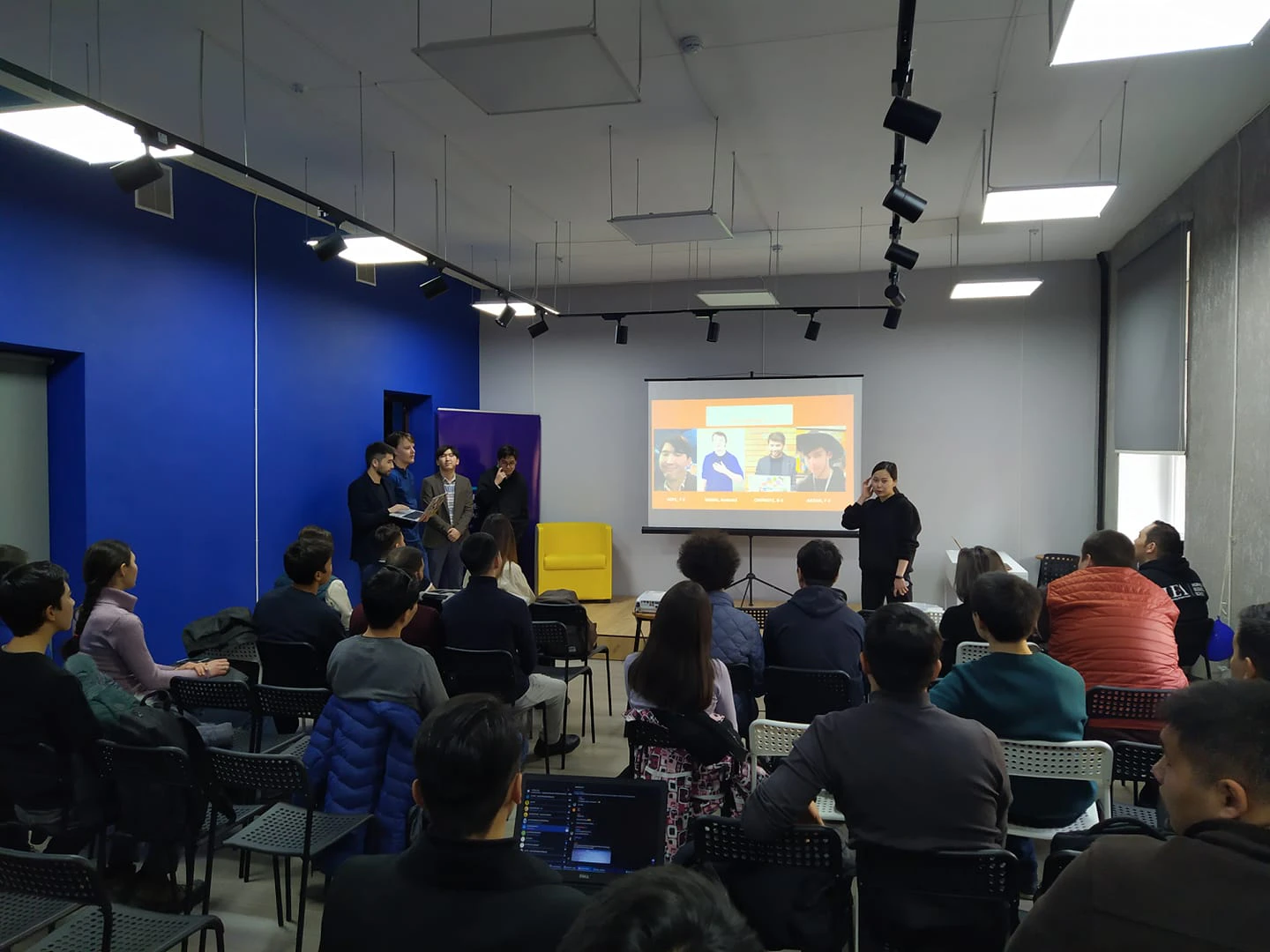
Why Central Asia Is The Next Big Outsourcing Hub
The global IT outsourcing map is being redrawn. While traditional hubs like India and Eastern Europe dominate headlines, a new player is quietly emerging from the heart of Eurasia. Central Asia, once known as the crossroads of ancient trade routes, is rapidly becoming the next frontier for global IT outsourcing. In this article, we’ll talk about companies like Unique Technologies, under Azis Abakirov’s leadership, that are proving this region offers a compelling alternative for businesses seeking high-quality, cost-effective technology solutions.
The Perfect Storm of Advantages
Central Asia presents a unique value proposition compared to other global outsourcing hubs. For example, developer hourly rates in Kyrgyzstan, Kazakhstan, Uzbekistan, Tajikistan, and Turkmenistan typically range from $25-$49, which is far more affordable than the $40-$70 charged in Poland or Western Europe. These rates are highly competitive with those in India and Vietnam, not on price, but rather because of the high technical quality of the services provided, reliable communication, and greater cultural flexibility.
Central Asia’s key advantage is its unique cultural heritage as a historical crossroads, shaping inherently adaptable and culturally aware populations. This allows businesses to connect with and serve diverse client needs effectively. Unique Technologies shows how cultural fluency goes beyond technical skills, fostering successful partnerships, such as with Japanese clients like Fujitsu, built on genuine understanding and trust, as illustrated by Abakirov’s meeting with Crown Prince Naruhito in Tokyo.
Additionally, regional companies excel at forming long-term client relationships and offer time zone alignment that supports productive collaboration with both European and Asian markets. The result is a “golden mean”: Central Asian developers provide accessible pricing and maintain technical standards often exceeding those of mass-market alternatives, while avoiding the inconsistency issues sometimes seen in lower-cost regions. Plus, the timezone alignment with Asian markets allows Central Asian teams to collaborate efficiently with clients throughout the region. For North American companies, Central Asia also supports “follow-the-sun” development models, enabling projects to progress rapidly by leveraging distributed teams across time zones.
Educational Excellence Drives Quality
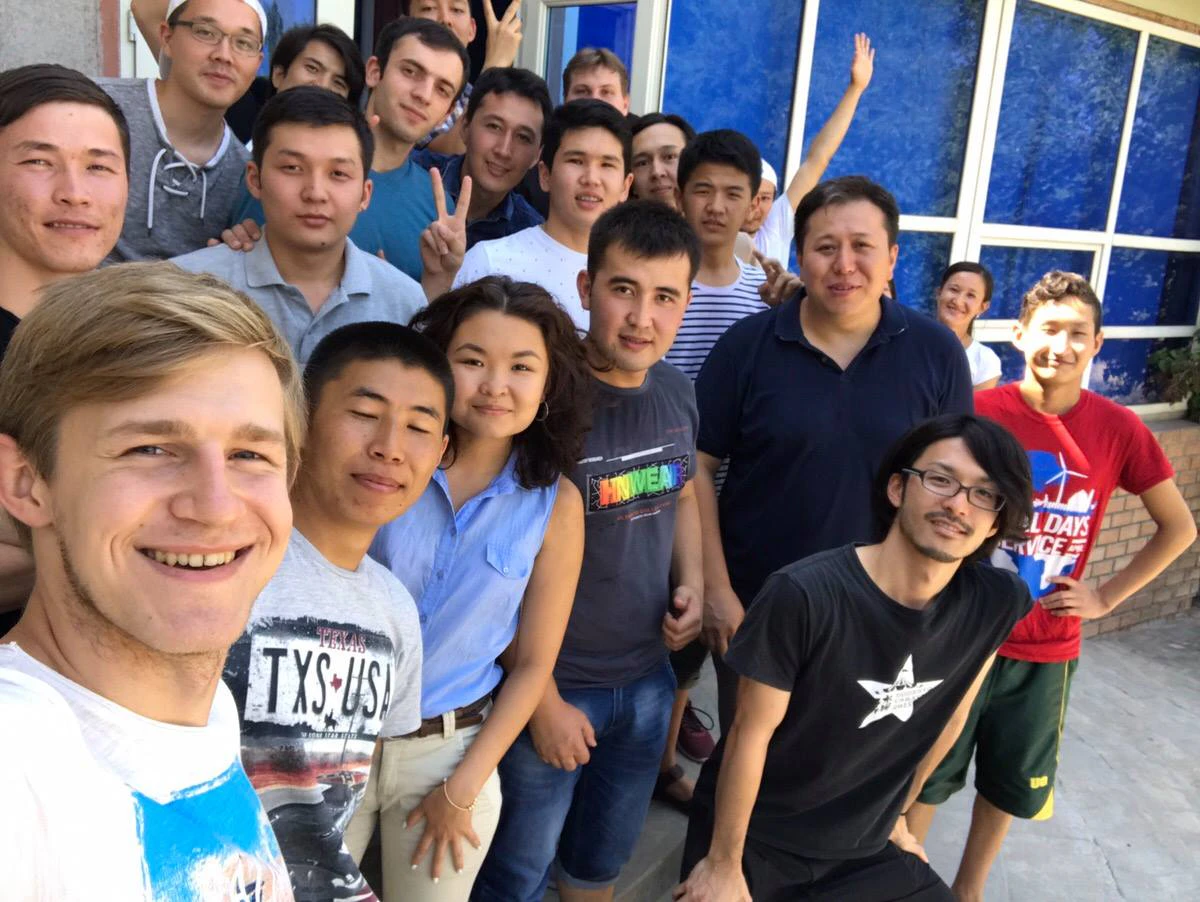
Central Asia’s emergence as an IT hub builds on decades of strong educational infrastructure in mathematics, engineering, and computer science, now enhanced by modern international partnerships. Universities across the region produce thousands of technically skilled graduates annually in computer science, mathematics, and engineering.
Kyrgyzstan, as a part of Central Asia, exemplifies this educational advantage. The country’s IT education system has been strengthened through international partnerships, including Japanese development programs that established cutting-edge training centers. This foundation produces developers who are technically proficient and culturally adaptable, crucial in today’s global business environment.
Azis Abakirov’s journey, from Kyrgyzstan to a wider panorama, demonstrates this educational strength. His Oriental Studies background, combined with deep Japanese business culture understanding, enabled him to build bridges between Eastern and Western practices. This cultural fluency became a cornerstone of Unique Technologies’ success, serving clients from the USA to Japan.
Innovation That Competes Globally
The proof of UT’s innovative approach lies in the delivered projects. For instance, the Mind Map project for Chatwork demonstrates sophisticated solutions emerging from the region. Developed over eight months using cutting-edge technologies, the platform extension delivered real-time collaboration features that transformed team workflows. It’s been more than competent execution: it’s been all about innovation, setting new standards for interactive collaboration tools.
Another significant project was the company’s COVID-19 tracker app, which received high client ratings, further demonstrating that Central Asian developers deliver mission-critical applications meeting the highest international standards. These successes are becoming increasingly common as the region’s IT sector matures.
Strategic Market Positioning
Central Asian IT companies are carving out distinct market positions. They offer more accessibility than Western European developers while providing higher quality than mass-market alternatives. This positioning particularly attracts mid-market companies needing sophisticated solutions without premium pricing.
Regional companies excel in long-term partnership building rather than transactional relationships. The Japanese-influenced business philosophy of companies like Unique Technologies emphasizes sustained collaboration and continuous improvement—approaches resonating with clients seeking stable, evolving partnerships rather than one-off projects.
Government Support Creates Ecosystem
Regional governments actively support IT sector growth through favorable policies, tax incentives, and infrastructure investments. Kyrgyzstan’s ambitious goal of training 50,000 programmers by 2030 reflects the strategic importance placed on technology sector development.
This government backing, combined with international development programs, creates ecosystems where IT companies thrive. Improved telecommunications infrastructure, streamlined business processes, and tax advantages for IT exports make the region increasingly attractive for technology investments.
Success stories like Unique Technologies create network effects benefiting the entire region. International clients with positive experiences become advocates, referring colleagues and expanding markets for regional IT services. Companies working with global brands like Fujitsu and Sun raise the entire ecosystem’s profile, validating regional capabilities for potential clients.
The Virtual Silk Road Reality
Abakirov’s vision of a “Virtual Silk Road” connecting Central Asia to the global digital economy is becoming a reality. Just as ancient trade routes created prosperity through commerce, modern data highways create opportunities for economic growth through technology exports.
The model is sustainable and scalable. As companies like Unique Technologies demonstrate international market success, they create templates other regional firms can follow. The combination of competitive costs, strong technical skills, cultural adaptability, and strategic positioning makes Central Asia increasingly attractive for companies seeking alternatives to traditional outsourcing destinations.
The Strategic Opportunity
For businesses evaluating outsourcing options, Central Asia represents far more than a low-cost alternative. It offers strategic partnership opportunities with a region combining cost advantages with genuine technical innovation and cultural sophistication.
The next chapter of global IT outsourcing is being written in Central Asia. Visionary leaders like Azis Abakirov demonstrate the region’s ability to deliver real value for international clients today. The question isn’t whether Central Asia will become a major outsourcing hub—it’s which companies will recognize this opportunity while it’s still emerging.