Managing 10,000 Event Staff in Real-Time: How We Built Japan’s Leading Event Production Platform
Contents:
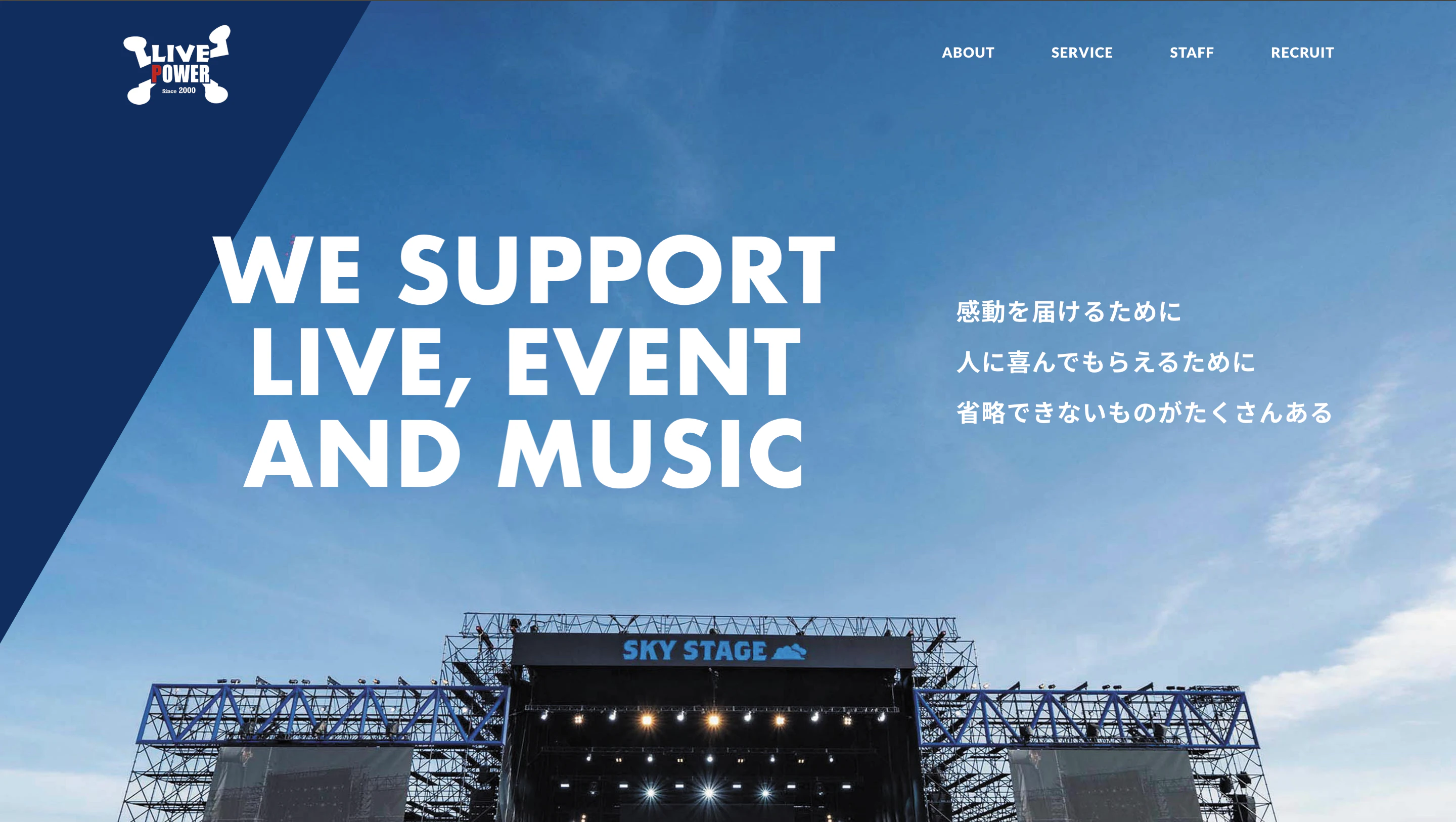
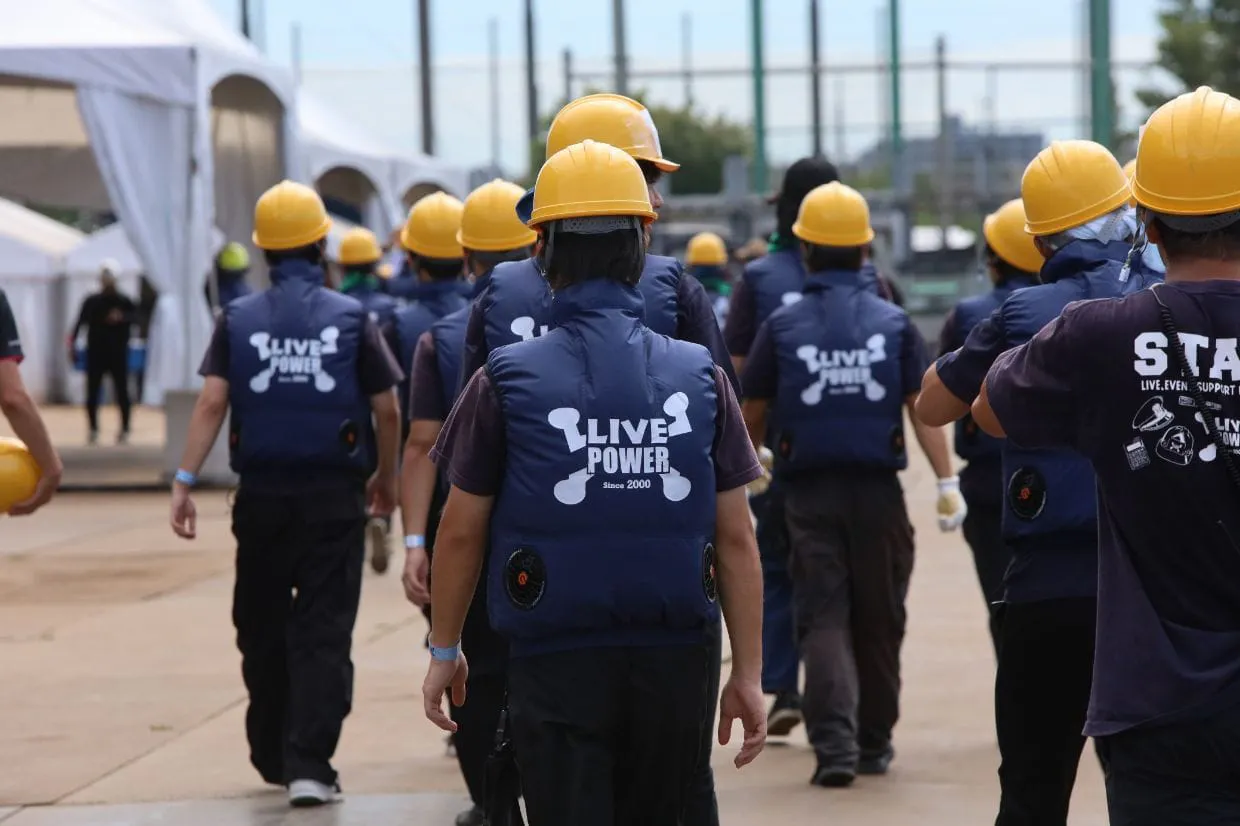
When 70,000 fans pack into a stadium for a sold-out concert, nobody sees the small army making it happen. Backstage, hundreds of crew members move equipment, manage security zones, coordinate artist needs, and solve problems as they emerge—all in real time.
For Live Power, one of Japan’s leading event production companies, orchestrating these massive operations used to mean battling spreadsheets, group texts, and constant chaos. Managing staff for a 500-person event? Challenging. Coordinating 10,000+ crew members across multiple concurrent festivals and concerts? Nearly impossible with traditional tools.
That’s why Live Power partnered with Unique Technologies to build something that didn’t exist: a real-time command platform designed for the scale, speed, and unpredictability of Japan’s live entertainment industry.
The Problem: When Spreadsheets Can’t Scale
It’s 6 AM on festival day. Three security staff members call in sick. Stage setup is running behind schedule. The artist’s team just added five last-minute requirements. Your production manager needs to reallocate dozens of people across six venue zones, and everyone needs to know their new assignments before doors open.
Live Power was managing everything through a patchwork of tools: Excel sheets for scheduling, LINE groups for updates, and phone calls for emergencies. At small events, you can muscle through, but at scale, the system breaks down. Staff show up at the wrong entrances. Role changes don’t reach everyone. Hours vanish just tracking who’s actually on-site.
Live Power’s requirements for UT were uncompromising: handle 10,000+ active crew members without performance issues, update assignments in real-time with instant mobile notifications, work flawlessly even with spotty venue WiFi, and integrate seamlessly with existing operational and payroll systems. Most importantly, it needed to work perfectly on the first major event. There’s no “beta testing” when 50,000 paying customers are walking through the gates.
Building the Platform: Engineering for Chaos
Unique Technologies approached this with a simple philosophy: the software should match how production teams actually think and work, not force them into rigid processes.
Smart Scheduling: From Hours to Minutes
The old process for creating staff schedules took days per event. HR would build Excel grids, cross-reference certifications, manually check for conflicts, and then email assignments. Any change meant starting over.
The new system transformed this workflow:
- AI-assisted matching suggests staff based on skills, certifications, location, and past performance.
- Conflict detection automatically flags double-bookings or missed break requirements.
- Bulk operations let managers assign entire teams with a few clicks.
- Template libraries store proven staffing patterns for different event types.
Mobile-First for the Front Lines
Crew members don’t sit at desks. They’re running between stages, managing equipment, and solving problems on their feet. The mobile interface was designed for glances and one-handed operation:
- Digital check-in with QR codes at venue entry points.
- Push notifications for schedule changes and urgent updates.
- Offline mode that syncs when connection returns (crucial for basement loading docks and backstage areas).
- Simple task lists showing exactly what needs doing, when, and where.
Dynamic Reallocation: Adapting to Live Chaos
Stage construction runs late. Rain forces a venue change. An artist’s team triples their backstage needs. These aren’t edge cases in live events; they’re typical Tuesday challenges.
The platform’s reallocation engine enables drag-and-drop reassignments that instantly notify affected staff, smart suggestions showing available crew with the right skills nearby, and cascading updates that automatically adjust connected tasks and breaks.
During a recent outdoor festival, unexpected weather forced a show delay and required relocating hundreds of staff to rain-protected zones. The entire reallocation took minutes. Under the old system, it would have consumed most of the day if they’d managed it at all.
The Technical Foundation: Built to Never Fail
Behind the clean interfaces runs an architecture designed for worst-case scenarios: thousands of simultaneous users, critical updates during network congestion, and zero tolerance for downtime.
An event-driven microservices architecture means changes propagate instantly. When a manager reassigns staff, the update flows to mobile apps, dashboards, and reporting systems—typically in under a second.
Geographic database sharding keeps Japanese user data in Tokyo data centers for compliance and speed. Progressive Web App technology provides native-app performance without forcing staff to download separate iOS and Android apps.
Role-based security ensures sensitive operational data, client information, and financial details remain properly isolated, meeting Japan’s stringent data protection requirements.
The Results: Setting a New Industry Standard
The platform launched at one of Japan’s largest summer music festivals: 50,000 attendees, 800 crew members, 12 venue zones, three days of continuous operations.
The impact showed up in measurable improvements across every operational metric, but more importantly, in ways that are harder to quantify. Production managers reported feeling genuinely in control for the first time at large events. Crew members appreciated knowing exactly what’s expected and receiving real-time updates. Clients, such as artists, venues, and sponsors, saw smoother operations and fewer visible problems.
The business transformation was substantial. Live Power secured major new venue partnerships, expanded into corporate events and sports productions previously considered too operationally complex, and established itself as Japan’s innovation leader in live event production technology.
Beyond Events: A Template for Complex Operations
While this platform was built for live event production, the underlying challenges are universal. Any industry managing large, distributed workforces in time-sensitive environments faces similar problems: construction projects coordinating contractors, healthcare systems managing nursing staff across facilities, logistics operations optimizing for fluctuating demand, or film productions orchestrating location shoots.
The principles remain consistent: real-time visibility, mobile-first design, intelligent automation, and systems built to handle chaos rather than prevent it.
Unique Technologies specializes in building mission-critical platforms for complex operational challenges. From event production to logistics, healthcare to entertainment, we turn operational bottlenecks into competitive advantages.
Facing similar scale and coordination challenges? Let’s build your solution together.