

From Japan to the World: The Origins of Agile, Kanban, and Just-in-Time in Modern Tech
Contents:
Long before software development had its own vocabulary of sprints, story points, and backlogs, Japan had already laid the groundwork for modern project efficiency. The roots of Agile, Kanban, and Just-in-Time trace back to a mindset that values precision, discipline, and constant refinement.
In the 1940s, Japanese engineers and business thinkers introduced concepts that revolutionized production. These same ideas later reshaped how digital products are designed, tested, and delivered across the world.
In this article, we explore how Japan’s management philosophies inspired the evolution of Agile, Kanban, and Just-in-Time, and how these ideas continue to shape modern software development. We also share how Unique Technologies applies these principles in real collaborations with Japanese partners, combining precision, cultural fluency, and engineering discipline.
The Japanese Origins of Kanban, Agile, and Just-in-Time
After World War II, Japanese engineers faced the challenge of rebuilding industries with limited resources. Their response was a set of innovative practices designed to eliminate waste, improve flow, and ensure quality at every step. Let’s go far back in time to meet the historical background of Kanban, Agile, and Just-in-Time.
The Birth of Kanban: From Supermarkets to Software
The kanban methodology emerged in the late 1940s when Toyota engineer Taiichi Ohno drew inspiration from an unexpected source: American supermarkets. Ohno observed how supermarkets restocked shelves based on actual consumption rather than predicted demand, maintaining just enough inventory to meet customer needs. This observation led to the development of the kanban system, literally meaning “signboard“ or “billboard“ in Japanese.
Kanban is a lean management methodology first developed by Toyota as part of their Production System (TPS). The system used physical cards to signal the need for parts or products, creating a pull-based system that minimized waste and inventory. Each kanban card represented a specific quantity of parts, and workers would only produce or move materials when they received a kanban signal. This was a simple yet effective system that revolutionized manufacturing by eliminating overproduction and reducing waste.
The transition of kanban lean manufacturing principles to the tech world began in the early 2000s when David J. Anderson adapted these concepts for software development at Microsoft. Anderson recognized that software development, like manufacturing, could benefit from visualizing work, limiting work in progress, and creating a continuous flow of value delivery. The kanban development methodology that emerged maintained the core Japanese principles while adapting them for knowledge work: transparency, balance, collaboration, and continuous improvement.
Agile’s Japanese DNA: The Influence of Lean Thinking
While the Agile Manifesto was signed in Utah in 2001, the agile development methodology owes significant philosophical debt to Japanese lean thinking. The Toyota Production System’s emphasis on eliminating waste (muda), respecting people, and continuous improvement (kaizen) laid the groundwork for what would become agile principles. The concept of “respect for people“ is one of the two pillars of the Toyota Way, which directly influenced the agile methodology values of individuals and interactions over processes and tools.
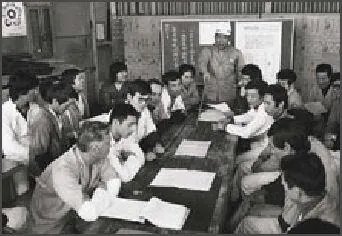
Japanese companies had long practiced iterative development cycles, frequent inspection and adaptation, and close collaboration between cross-functional teams. These are all hallmarks of the agile project methodology we know today. The Japanese concept of “genchi genbutsu“ (go and see for yourself) parallels agile’s emphasis on direct communication and face-to-face interaction. Similarly, the practice of “nemawashi“ (behind-the-scenes consensus building) reflects agile’s focus on collaborative decision-making and team empowerment.
Taken together, these ideas show that agile did not emerge in isolation, but grew in parallel with long-standing Japanese management traditions. The influence extends beyond philosophical alignment. Many specific agile practices have Japanese analogues: daily stand-ups mirror the Japanese morning exercises (rajio taisō) and team meetings (chōrei), while retrospectives echo the Japanese practice of hansei (self-reflection). The kanban project management methodology we explored earlier itself has become one of the most popular agile frameworks, demonstrating the seamless integration of Japanese thinking into modern agile practices.
Just-in-Time: The Philosophy of Perfect Timing
The same mindset that shaped kanban and agile practices is rooted in an even more fundamental idea from the Toyota Production System: Just-in-Time (JIT). It was also first developed and perfected by Taiichi Ohno. The principle is elegantly simple: produce only what is needed, when it is needed, and in the amount needed. JIT revolutionized how companies think about inventory, resources, and delivery in the 1970s.
Toyota’s ability to withstand increasing competitive pressure came from an approach that focused not just on tools, but on people, plants, and systems. The company understood that JIT would only work if everyone in the organization was engaged and committed. And factories and processes were arranged for maximum output and efficiency. The quality and production programs were scheduled to match demand as closely as possible. This approach minimizes waste, reduces storage costs, and ensures maximum flexibility in responding to customer demands.

In the software world, JIT principles have evolved into practices like continuous integration and continuous deployment (CI/CD), where code is integrated, tested, and deployed in small, frequent increments rather than large, infrequent releases. The philosophy of delivering value “just in time“ has become central to modern DevOps practices and cloud computing architectures.
Modern Relevance: The Lasting Impact of Japanese Thinking
In 2025, the ideas that originated in postwar Japan have become the global standard for managing complex digital projects. Agile and lean-inspired frameworks now define how most organizations plan, build, and deliver value. According to an industry report, 95-97% of companies worldwide use Agile practices. Projects managed with these approaches succeed about 75% of the time, compared to 56% for traditional methods. Teams also report 59% stronger collaboration and 57% better organizational alignment.
The Kanban development methodology has evolved from Toyota’s paper cards to advanced digital boards that power remote collaboration. According to state research, 56% of organizations now use Kanban. Among the teams that have adopted it, 87% say it is more effective than the workflow methods they used before. The cloud-based Kanban software market surpassed $1.2 billion in 2024 and is projected to reach $3.5 billion by 2033 (12.5% CAGR), driven by distributed work and the average enterprise’s use of 625 SaaS applications. At the same time, the Just-in-Time philosophy now manifests in how teams manage flow and capacity: CI/CD pipelines, on-demand environments, and elastic cloud infrastructure all aim to deliver exactly what is needed, when it is needed, with minimal “inventory” of idle code or unused resources.
The Agile project methodology has moved beyond IT departments to reshape entire enterprises. Engineering and R&D teams lead adoption at 48% (up 16% from 2022), followed by business operations (28%) and marketing (20%). The global Agile tools market has reached $9.2 billion, while enterprise transformation services have grown to $48.75 billion in 2025. In many of these transformations, JIT principles guide how organizations structure release trains, prioritize work, and synchronize delivery with real customer demand rather than internal schedules.
Frameworks such as Scaled Agile Framework (SAFe) continue to expand, rising from 37% usage in 2021 to 53% by 2025. These implementations deliver tangible results: 20% higher release effectiveness, 55% fewer help desk tickets, and 27% greater employee satisfaction. Mature Agile organizations show dramatic business impact, with companies demonstrating over 230% improvement in commercial performance.
The impact of these approaches now goes far beyond internal processes. What began as a set of engineering practices has evolved into a global management philosophy shaping every major industry.
Unique Technologies and Japan: Shared Discipline and Continuous Improvement
For Unique Technologies, the connection with Japanese methodologies is not just professional, but foundational. Our company was born from collaboration with Japanese partners and shaped by the lessons learned from them. This origin story goes beyond adopting frameworks. It’s about internalizing a philosophy that now defines who we are as an organization.
Japanese organizations possess an exceptional drive for excellence, a clear understanding of goals, and deep accountability for results. As we worked with the kanban methodology and agile development methodology, we were naturally led to one of the core communication principles behind them: Hō-Ren-Sō, short for “hōkoku“ (report), “renraku“ (contact), and “sōdan“ (consult). This communication practice transforms managers into strong leaders and teams into cohesive systems by ensuring constant information flow, proactive consultation, and collaborative problem-solving. Hō-Ren-Sō eliminates surprises, builds trust, and creates the transparency required to function effectively.
These values define the way Unique Technologies operates today. Within our team, we even coined a symbolic internal term: “Shinkansen,“ after Japan’s legendary high-speed trains that arrive on time with second-level precision. For us, “Shinkansen“ represents more than punctuality. It embodies reliability, technical excellence, and the seamless integration of complex systems. When we say a project is “Shinkansen,“ our team knows it means delivering just on time with the quality and precision that defines Japanese standards. These principles have shaped our work with world-leading brands.
When developing systems for Gucci Japan and Marni Japan, our teams followed the same principles that guided Japan’s engineering culture: structured processes, clear accountability, and constant refinement. These luxury brands demanded not just functional excellence but an understanding of “omotenashi“—the Japanese approach to wholehearted service that anticipates needs before they’re expressed. This is why implementing methodologies that could balance creative agility with operational discipline was essential.
For Gucci Japan, we implemented a kanban project management methodology that balanced the brand’s need for creative flexibility with operational precision. The visual workflow allowed their teams to track seasonal collections, marketing campaigns, and retail operations while maintaining the agility to respond to fashion’s rapid pace.
Our work on the event management platform for Live Power demonstrated the practical application of Just-in-Time principles in modern software. The platform needed to handle thousands of concurrent users during live events while maintaining the reliability Japanese audiences expect, where even a second of downtime is unacceptable.
Our Japanese partners often comment that working with Unique Technologies feels like working with a Japanese company, not because we mimic their practices, but because we’ve internalized their values.
Cultural Lessons in Adopting Japanese Practices Within Tech Teams
The most critical lesson from our experience is that successfully adopting Japanese methodologies requires understanding their philosophical foundations, not merely their mechanical application. The kanban development methodology isn’t just about boards and cards. It’s about visualizing work to reduce waste and improve flow. The agile methodology values aren’t just principles to recite but a fundamental shift in how we think about work, value, and human interaction.
Western organizations often struggle with Japanese methodologies because they focus on the visible practices while missing the underlying mindset. Kanban boards become cluttered with too many columns and swim lanes because teams haven’t internalized the principle of simplicity. Agile ceremonies become empty rituals because teams haven’t embraced the value of reflection and continuous improvement. Understanding the “why“ behind these practices is essential for successful adoption.
Also, implementing Japanese-origin methodologies in multicultural tech teams requires careful attention to different communication styles and decision-making processes. Japanese culture’s emphasis on indirect communication and consensus can clash with Western preferences for direct feedback and individual accountability. Successfully bridging these differences requires creating explicit communication protocols that respect both approaches.
Trust-building is particularly crucial when working with Japanese partners or implementing Japanese methodologies. The Japanese concept of “shinrai“ (trust based on reliability and competence) differs from Western notions of trust based on transparency and openness. Building shinrai requires consistent delivery on commitments, attention to detail, and respect for process, values that align perfectly with successful kanban and agile implementations.
Our Japanese partners have taught us that patience and long-term thinking are crucial for methodology adoption. While Western organizations often expect immediate results from implementing kanban or agile, Japanese companies understand that true mastery takes time. This approach resonates deeply with our own culture in Kyrgyzstan. From the early days of our IT community, our engineers built a culture of mutual support: teaching each other Agile principles, sharing experiences, and helping one another grow. Like Japan, we value methodical work, respect within the team, and a constant drive to improve. That’s why Kyrgyz companies, including Unique Technologies, naturally build trust with Japanese partners: we share a similar understanding of what it means to work with quality, accountability, and care.
The ideas that rebuilt Japan after 1945 are now rebuilding how the world works. And they start with discipline, respect, and the relentless pursuit of better. These principles help organizations deliver not only faster but also more predictably, something that global clients value increasingly in 2025, when on-time delivery and quality consistency remain top performance indicators across enterprise IT.
If your organization is looking to enhance efficiency, build scalable systems, or implement Japanese-inspired management practices in software development, let’s talk. Our team can help you find the right approach to bring structure, clarity, and measurable improvement to your next project.