
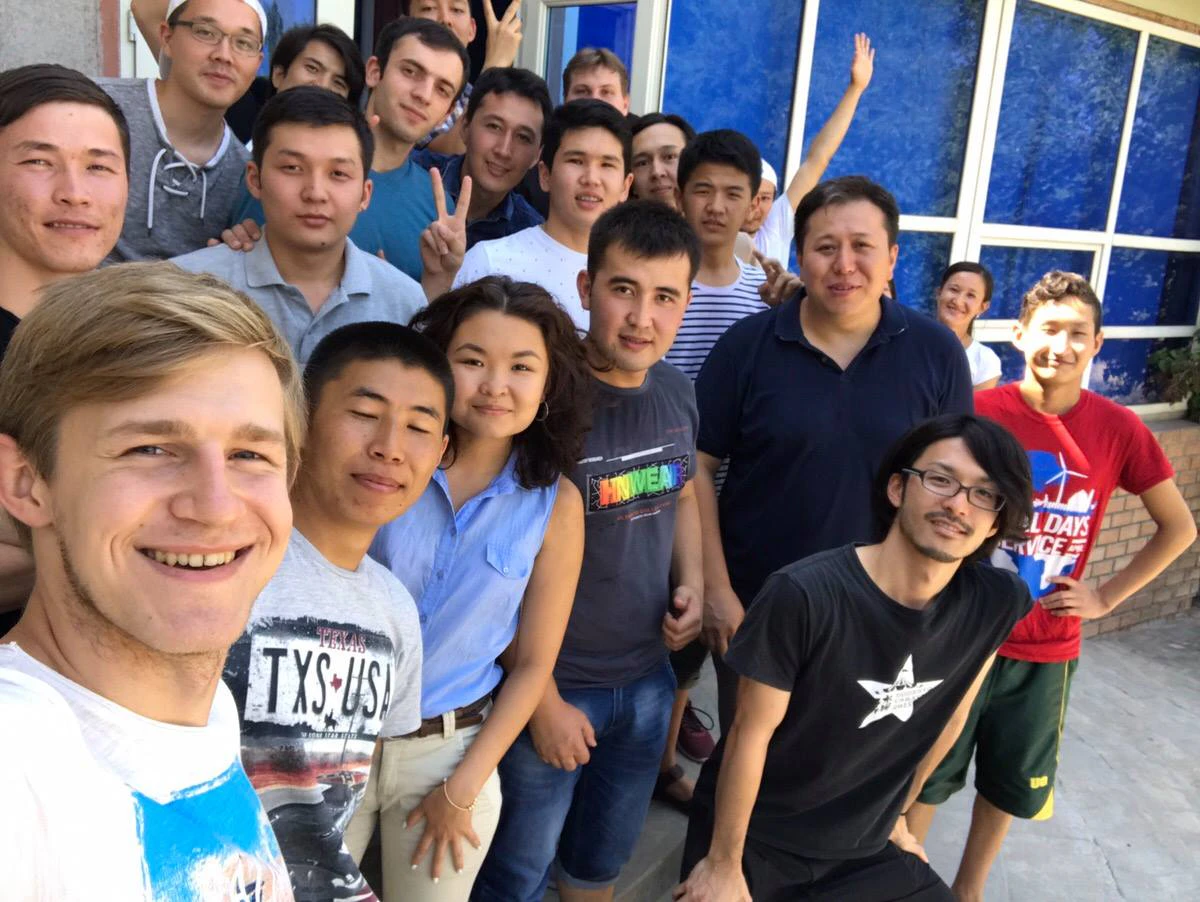
Local Impact, Global Connections: Azis Abakirov’s Journey from Entrepreneur to International Tech Leader
The software outsourcing industry in Central Asia has evolved significantly over the past two decades. One entrepreneur who’s been part of this transformation from the beginning is Azis Abakirov, founder of Unique Technologies in Kyrgyzstan. His experience offers insights into what it takes to build and sustain a technology company in an emerging market while competing globally.
Leadership, Mentorship, Legacy
Abakirov founded Unique Technologies in 2003, at a time when Kyrgyzstan’s tech sector was largely unknown to international clients. The challenge was both technical and perceptual – convincing potential clients that quality software development could come from Bishkek.
His approach centered on what he calls “lead locally, impact globally,” building teams rooted in Central Asian engineering education while solving problems for clients in more established markets. This involved investing heavily in English proficiency, understanding diverse business cultures, and implementing processes that met international standards.
The strategy appears to have worked. The company has delivered projects for clients across Japan, Europe, and North America, spanning industries from event management to retail systems.
Championing Tech for Good
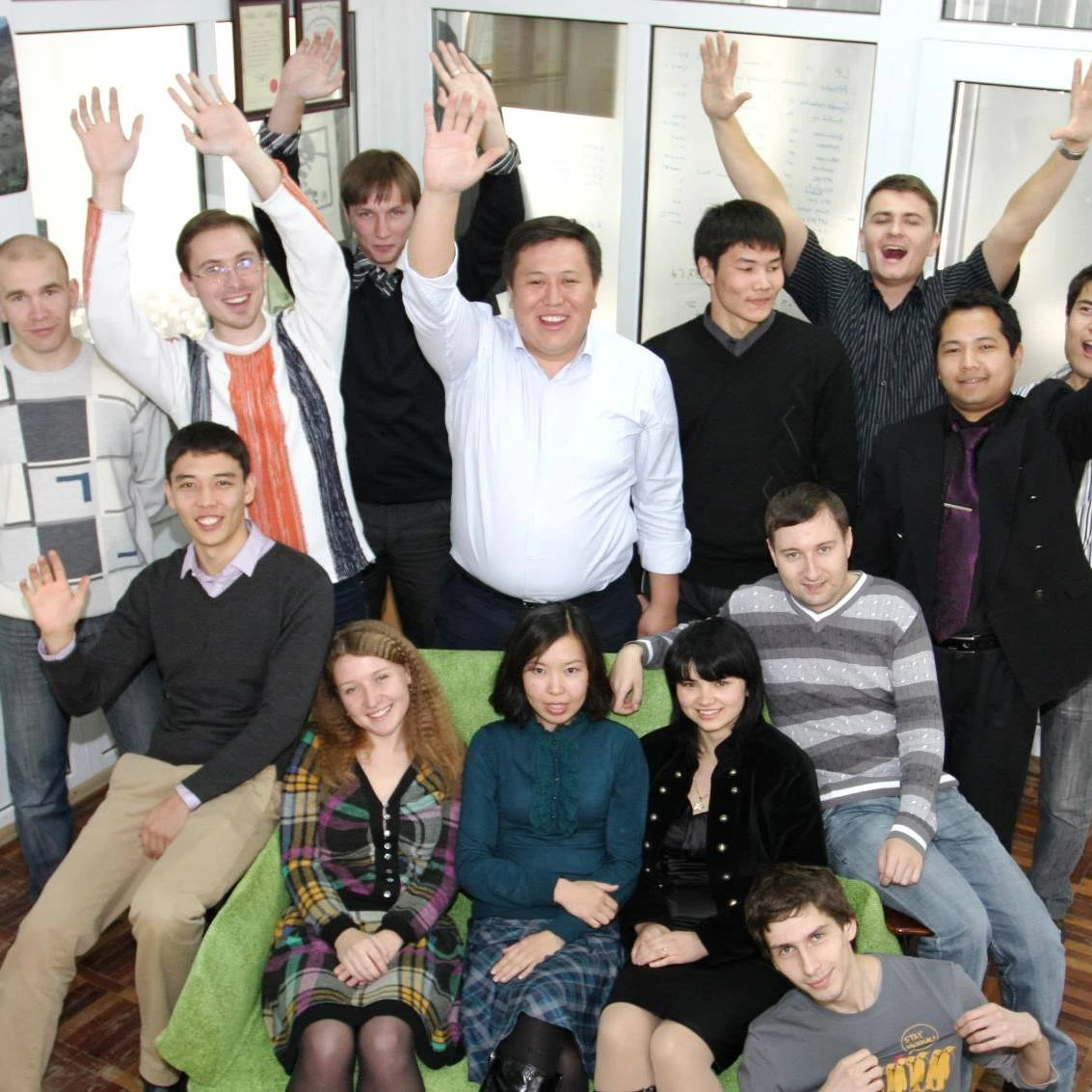
Outside the company walls, Azis’s advocacy for ethical, human-first digital transformation stands out. He’s lent his voice to international forums, high-level policy discussions, and collaborative bodies focused on responsible use of AI, digital inclusivity, and educational uplift. In government meetings and nonprofit roundtables alike, his message is consistent: technology’s highest purpose is uplifting local and global communities and creating real opportunities.
He’s also a driver of ecosystem-wide initiatives. Through his involvement with diverse software industry associations, Azis has been instrumental in making Kyrgyzstan’s IT sector more transparent, better regulated, and strategically positioned for global partnerships. He often brings diverse voices, including junior developers, educators, and even clients, into these conversations, reinforcing that successful digital economies are built with many hands.
The Leadership Ripple Effect
Perhaps the most telling testament to Azis’s impact isn’t a high-profile client win or a market expansion statistic. It’s the stories of those who’ve worked alongside or been mentored by him. Several former employees have launched their own ventures, citing the “Azis approach“ of collaborative problem-solving, open knowledge sharing, and ethical entrepreneurship. Others credit his insistence on clear, honest feedback for growing their confidence in working with European, Asian, and North American partners.
Even among business peers and international collaborators, Azis is regarded not just as a negotiator but as a builder of trust. His approach is to lead by example, whether advocating for fair work policies or initiating skill-building programs that serve both economic and social growth.
A Vision for Future-Ready Leadership
So far, the patterns visible in Abakirov’s approach represent strategic choices that other organizations in similar positions might consider. Whether building a software company in an emerging market or trying to differentiate in a crowded outsourcing landscape, several principles stand out:
- Invest in people systematically. Technical skills matter, but so do communication abilities, cultural understanding, and confidence. Creating structured pathways for skill development can differentiate your team in competitive markets.
- Think beyond your immediate market. For companies in emerging tech hubs, looking outward early, understanding international client needs, business practices, and quality expectations, can open opportunities that a purely local focus wouldn’t reveal.
- Build an ecosystem, not just a company. Contributing to industry associations, educational initiatives, and policy discussions can seem like a distraction from business operations. But for companies in developing markets, these efforts help create the infrastructure that makes sustained growth possible.
- Prioritize relationships over transactions. Short-term wins matter less than client trust built over the years. Sometimes this means recommending solutions that reduce immediate revenue but strengthen long-term partnerships.
- Bridge cultural contexts. For internationally-focused companies from non-traditional markets, the ability to translate between different business cultures and expectations becomes a competitive advantage.
These all represent operational decisions with measurable consequences. The question is whether they scale beyond individual founders and specific contexts.
Client and Stakeholder Perspectives
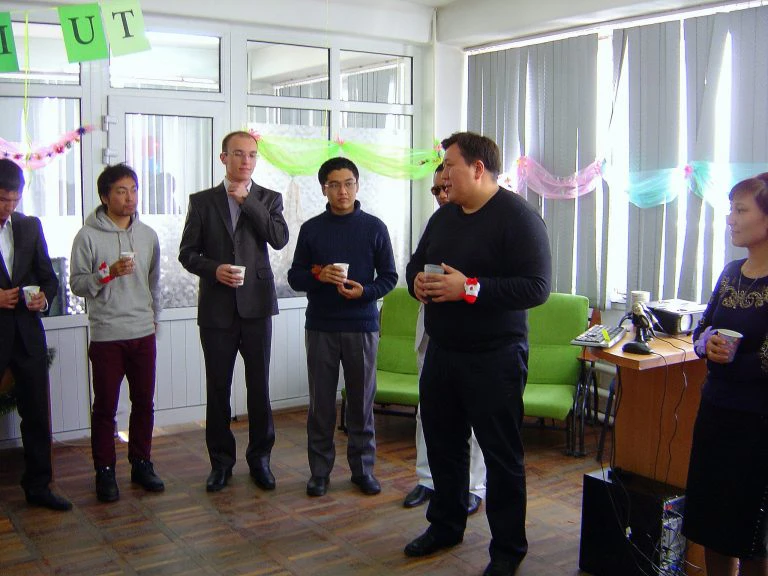
Unique Technologies’ clients consistently highlight one differentiator: an extraordinary level of engagement and partnership. “What struck me most was when our project hit a roadblock in March,” notes one European client. “Instead of just delivering what we asked for, they suggested a completely different approach that saved us three months of development time.” This ethos traces directly back to Azis’s insistence that long-term value trumps short-term wins.
Government partners echo this sentiment, crediting Azis with building bridges between public needs and private sector innovation, and with establishing frameworks in Kyrgyzstan that safeguard both competition and opportunity for small businesses.
The Enduring Lesson
The principles that enabled Unique Technologies to sustain client relationships across two decades, systematic talent investment, cultural bridge-building, and transparent communication, are active practices that continue to differentiate the company’s approach to software partnerships.
For organizations seeking development partners who prioritize long-term success over transactional projects, these operational principles translate directly to how projects are managed, how problems are solved, and how relationships evolve. You can also start making a global impact on the IT industry now with UT.