
What We Learned Developing Retail Management Systems for Gucci and Marni in Japan
Contents:
When Gucci Japan needed enterprise software for their boutique operations, they didn’t turn to Silicon Valley consultancies or Tokyo tech giants. They partnered with Unique Technologies, a software firm based in Bishkek, Kyrgyzstan, 7,000 kilometers from Tokyo’s luxury retail district.
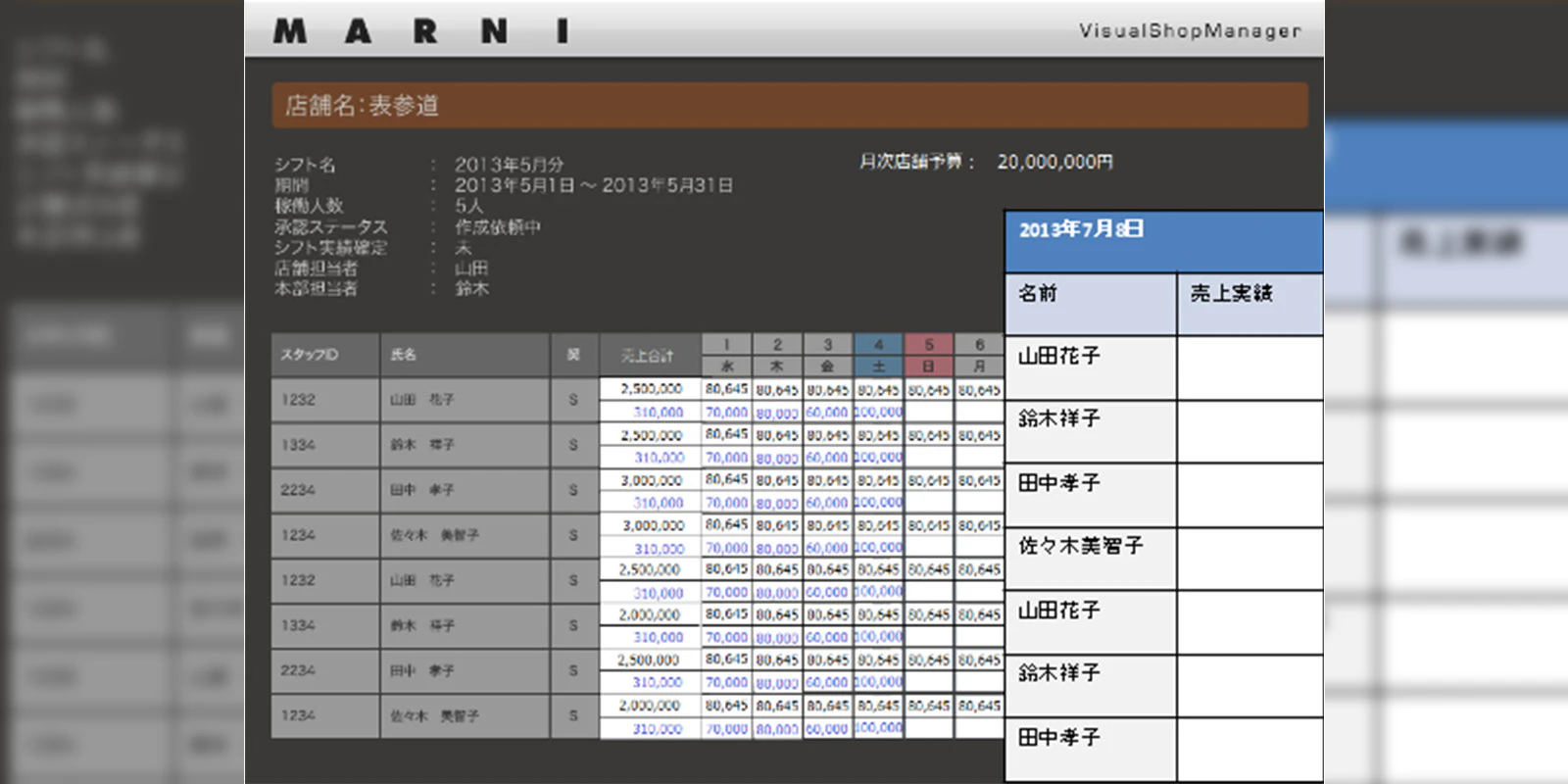
Between 2012 and 2013, this partnership delivered Visual Shop Manager, a comprehensive retail management system serving two of the world’s most demanding luxury brands: Gucci and Marni. The 700-person-month project proved that in enterprise software, what matters, beyond proximity or brand recognition, is deep domain expertise, cultural fluency, and unwavering commitment to excellence.
Project at a Glance
▫️ Clients: Gucci Japan, Marni
▫️ Duration: 18 months (2012-2013)
▫️ Scope: 700 person-months
▫️ Solution: Visual Shop Manager – Enterprise retail management platform
▫️ Deployment: Multiple boutiques across Tokyo’s premium districts (Ginza, Omotesando, Aoyama)
The Challenge: Where Perfection Is the Baseline
Luxury retail software faces a unique paradox. Boutique staff, as end users, focus on creating exceptional customer experiences, not navigating complex systems. Yet operational requirements are extraordinarily complex: inventory worth millions across hundreds of SKUs, comprehensive customer databases tracking purchase histories, real-time global system integration, and loss prevention for extremely high-value merchandise.
Traditional retail systems failed predictably. They were either too fixed, forcing luxury boutiques into mass-market workflows, or too complex, creating friction that staff actively avoided. Visual Shop Manager needed to thread an impossible needle: enterprise-grade capability wrapped in consumer-grade simplicity.
Understanding the challenge requires seeing through a boutique manager’s eyes. When a regular customer who’s spent ¥8 million over three years walks in asking about a specific handbag, staff need instant answers: availability, location, and alternatives. In luxury retail, “Let me check and get back to you” isn’t service: it’s failure.
Building for a Market That Doesn’t Compromise
Japanese luxury retail doesn’t forgive mistakes. One inventory error, one slow system response, one customer left waiting, and brands lose the trust they spent years building. This cultural context shaped every development decision:
- Language as user experience. Japanese has multiple formality levels and context-dependent vocabulary. We worked with specialists to ensure every message, label, and notification reflected appropriate Japanese business communication conventions.
- The two-second rule. We designed the system for “fast enough” (sub-five-second response). Nonetheless, during pilot testing, we discovered that boutique staff had an unconscious threshold: if the system took longer than two seconds to respond, and therefore even values between 2 and 5 seconds that we had estimated, they perceived it as "slow." Japanese luxury retail demanded something else. We spent three weeks optimizing to deliver consistent sub-one-second responses.
- Mobile-first before it was trendy. This was 2012: consumer apps were going mobile-first, but enterprise software typically treated mobile as a secondary concern, something to add later. Boutique managers spent 80% of their time away from desks. We built responsive interfaces for iPads, smartphones, and desktops from day one. During Typhoon Wipha in 2013, which disrupted Tokyo operations, managers coordinated operations remotely using tablets, transforming potential chaos into manageable remote coordination.
What We Learned That Nobody Talks About
Perfection isn’t optional. Unlike typical software, where you ship MVP and iterate, luxury retail demands excellence from day one. We conducted over 40 hours of hands-on simulations before launch, identifying and fixing issues that would have led to deployment disasters.
Cultural fluency determines success. What we learned was how to build in ways that felt right to Japanese users in luxury retail contexts. Our team’s Japanese language expertise and business culture knowledge proved as critical as software engineering capabilities.
Long-term partnership beats velocity. The 700-person-month scope taught us that alignment matters more than speed. Weekly status meetings throughout 18 months weren’t bureaucratic overhead; they caught misunderstandings early. Course-correcting costs weeks; discovering misalignments after full development would have cost months.
Technology must amplify the brand. The Visual Shop Manager became an integral part of how Gucci and Marni expressed their brand identity. We worked with their design teams to ensure the system’s visual refinement, interaction patterns, and animation timing reflected their aesthetic sensibilities.
Beyond Geography: Proof of Concept
These projects demonstrated something that matters far beyond retail software and our specific client engagements: distributed teams with deep domain expertise can serve the world’s most demanding clients regardless of headquarters location. For Unique Technologies in Bishkek, successfully serving Japanese luxury retail, one of the most demanding markets on Earth, validated our capabilities in the most rigorous way possible.
Excellence isn’t determined by geography, rather by domain expertise that goes beyond technical capability, cultural fluency that enables genuine collaboration, commitment to quality that matches client standards, and development models that deliver sustained value.
Visual Shop Manager remained in production for years, serving boutiques across Japan and eventually providing the template for similar systems in other Asian markets: proof that the partnership delivered lasting value, not just a successful deployment.
We proved that exceptional software comes from expertise, cultural fluency, and commitment to excellence, not headquarters location. Building something sophisticated for users who demand perfection? Let’s discuss your project together.